“THREE FEET CLOSER”
OCTOBER 2026
Lovelies,
My trip to Greece had a big effect on me.
Now I spend long hours cutting carrots and zucchini into tiny cubes for lentil salads and herbed rices.
Now I’m training my first cohort of coaches, therapists, and educators in the Muzi Methodology. (We begin Thursday morning! If you’ve been on the fence, hop all the way over!)
Now I occasionally, for humor I promise, end the word “yes” with a “shhhhh” like my friend’s impossibly chic Grecian girlfriend... to the extent that my fiancé (!) last night implored, “STOP THAT!”
And also — and here’s what I’ve been building to — my trip to Greece has moved me a solid three feet closer to mysticism.
And honestly I’ve only ever been one foot away.
I’m told that as a barely verbal child I concerned adults by asking so many questions about God.
I recall that as a preteen I found my .5 Jewish / .5 Christian family’s compromise on Unitarianism to be Problematically Unspiritual.
I spent my early adulthood in a sustained ache to surrender, but with religion so uncooly on-the-nose, surrendered to every category of thing one should never surrender to.
And then, on my 17K steps per day walks throughout Greece, I recognized like a pencil scratching in the margins of a notebook: creativity is mysticism.
Writing a poem is my spiritual practice. Arguing over song lyrics is my spiritual practice. (Telling you my embarrassing human truths once per month is my spiritual practice.)
Because every time I create I walk right around myself.
Every time I create I claim a one-on-one relationship with the divine.
Talking to a roomful of self-identified dreamers in Delphi, Greece about my experiences writing prophetic songs felt dangerous — Was it really okay to admit spiritual ecstasy?
Now a month later I can’t believe I ever kept this under wraps.
And even as I’ve puzzled over how to fit my new mystic imperative into my highly analytical work life... I realized it was already happening. Two weeks ago I found myself giving a talk to the Management, Spirituality, and Religion Division of the Academy of Management. Last week I found myself recording my newest Spark Sessions episode on divergence and precognition.
So then maybe I don’t have to do anything... except keep surrendering.
With love,

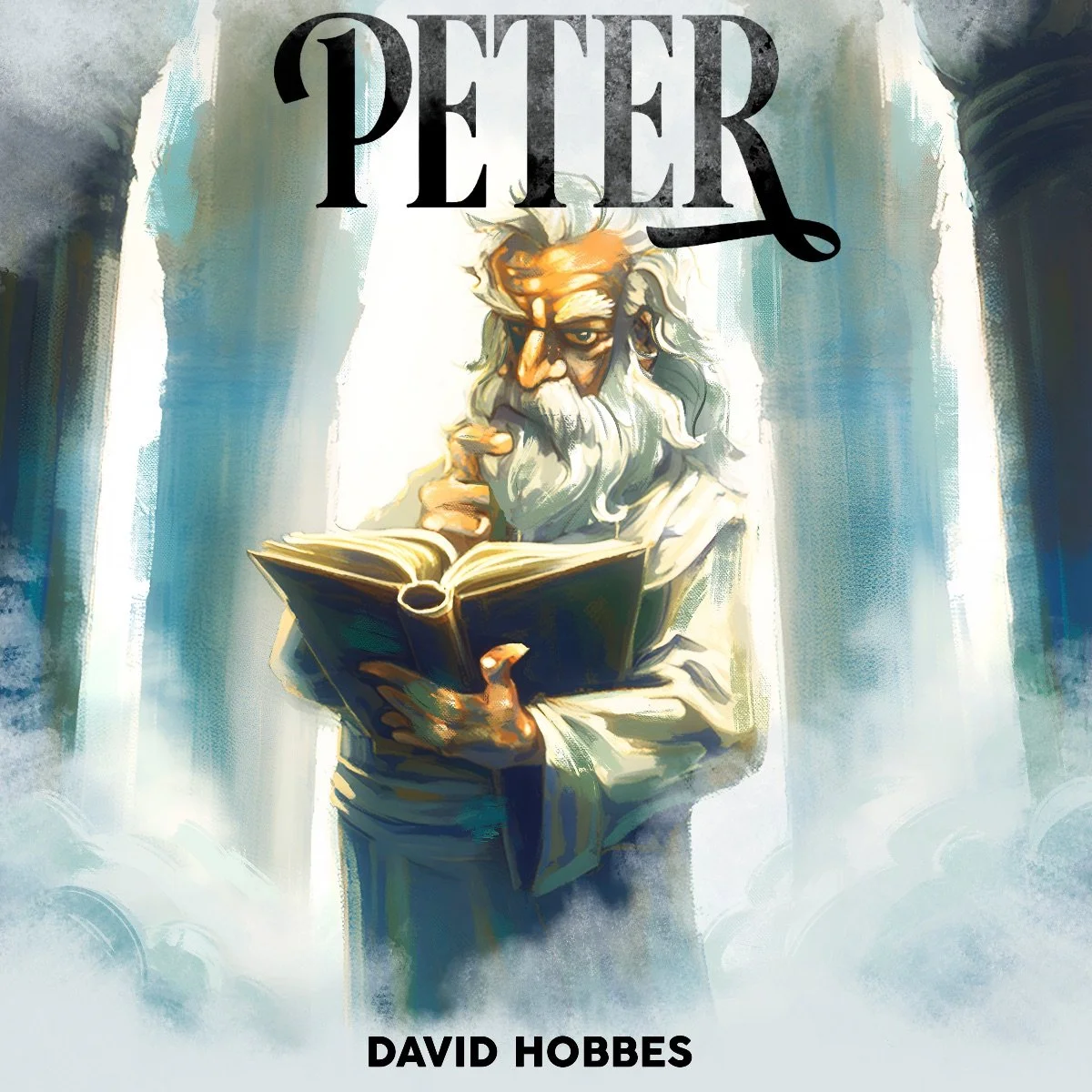
I love this song so much.
I may love this song more than David Hobbes loves this song.
Like 15% of David Hobbes' songs, it came to me with more than a hint of sea shanty. And in this case, the shantiness belied, even regretted, a mind-bending depth... of standing before the pearly gates, anticipating judgment, coming to a complete and devastating verdict all on your own.
I think I coaxed the song into a production that allowed it to be what it truly, unapologetically, and stunningly beautifully is.
I hope you think so too!
For the Muzi-curious, your Connection Reflection if you choose to accept it:
Connect to Something Larger
Walking home from the market I bumped into my photographer neighbor. We chatted for a block, then lingered by my front stoop. She told me how a new creative idea feels, to her, like recognition. She told me how she balances effort and ease in her creative process. We had a jazzed and fascinating conversation.
And I experienced the whole thing as though from the other side of a pane of glass.
Because I was out-of-sorts.
In fact I was craving creative connection. I’d recently lost my home, including my piano, in a fire, and sensed that some high quality creative connection could lift me back into a sweeter experience of myself.
But I was so creatively disconnected, the very thing I most needed couldn’t reach me.
So I promptly took myself on a hike in the redwoods.
Because here’s what I know: Sometimes we desperately need connection but aren’t up for connecting with people. And the best news about creativity relationships is that two of the six are not interpersonal. We can connect to role models and spirit/nature without subjecting our vulnerable selves to the complexities of potential rejection, misunderstanding, or social fatigue.
Beneath the trees I felt like I was kicking it with my favorite artist. I admired her branches and flowers. She held space for my admittedly more modest creative pursuits. By the time I returned to my car, I felt better.
And then, when I ran into my neighbor again later that day, the glass was gone: I resumed my conversation with her and this time I enjoyed it.
In this Reflection, you’ll explore the power of the non-interpersonal creativity relationships: role models and nature/spirit.
Think of someone -- living, historical, or even fictional -- whose creativity moves you. What could this role model give you that people in your day-to-day life cannot?
Think of a favorite place in nature or spiritual practice. How could it support your creativity?
The next time you feel creatively depleted or disconnected, how could you call on a role model or nature/spirit to support you?
To complete this and other Reflections download Muzi for free in the Apple App Store
“ORACULAR”
AUGUST 2026
Lovelies,
I don't usually start newsletters with news. So on the nose! But there’s been so much these past weeks I can’t help myself. (Then I’m sure I’ll get into some impossibly inward something. So bear with and the Real Rachel Efron will be with you again shortly.)
This month's news:
I produced basics for the highly anticipated new David Hobbes album over the course of an ecstatic three day lockout at 25th Street Studios.
I started pre-production on the debut EP of Toronto/DC duo Made from Nowhere.
I implemented the most major Muzi update since we launched — a rework of not just language, not just function, but the entire curriculum.
I devised a Muzi Practitioner Training Program. (I’ll be doing my small part to fill the world with creativity-savvy coaches and therapists.)
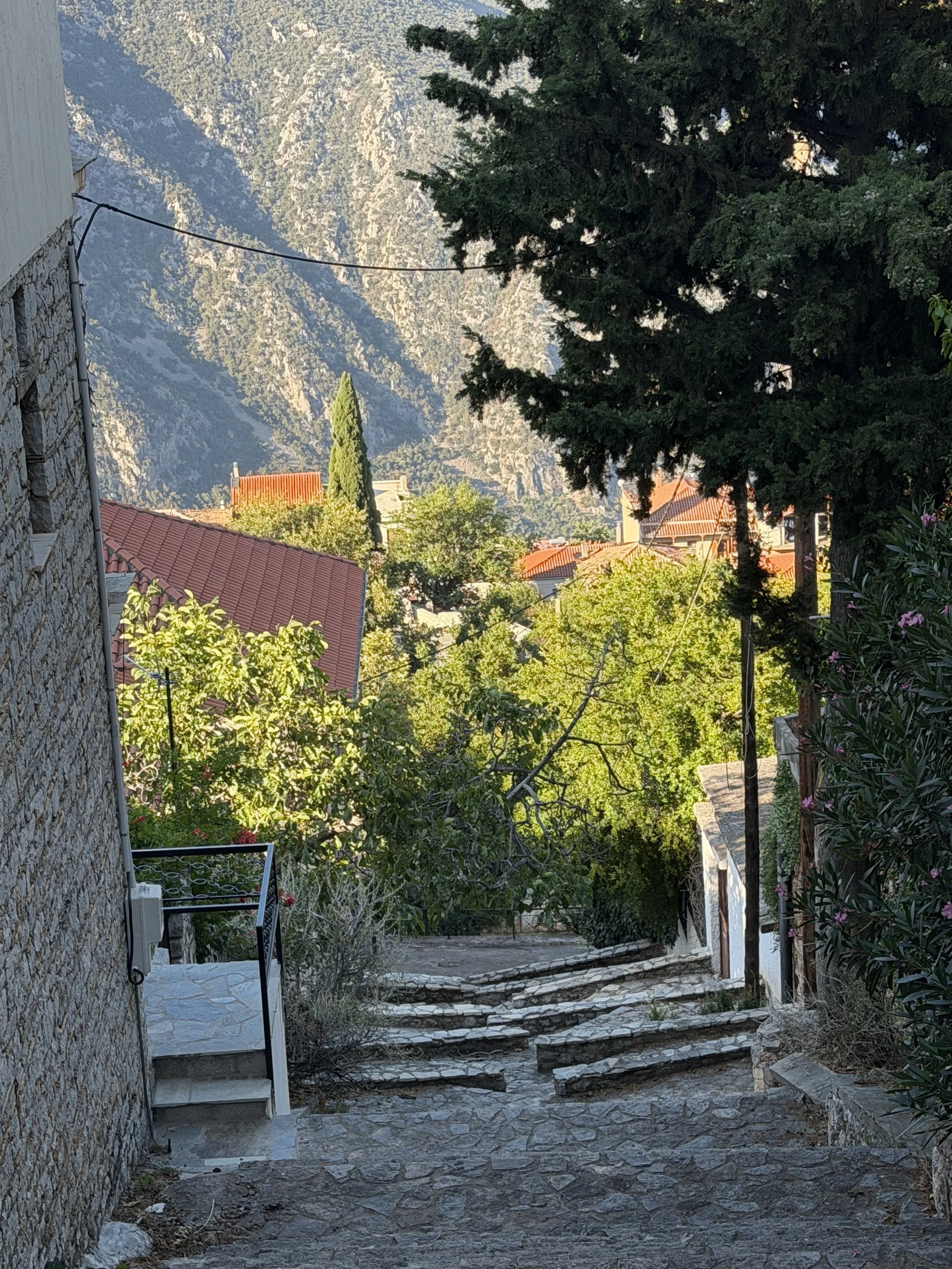
Finally, and this one escapes its bullet point, I write you from Delphi, Greece (yes, of the oracle @) where I just delivered a workshop on creativity and dreaming to a mostly European, entirely gorgeous group of scientists, therapists, writers, dancers, etc.
(It was great!)
And now, with so many compelling options, what I choose to explore with you is this: the plane ride here.
Because for a very long time I didn’t imagine I’d get on another plane, let alone embark on a twenty four hour doorstep to doorstep journey from Oakland, CA to Galaxidi, Greece.
For our purposes, a hurried summary: I got sick in college. Arrived at total compromise in my early thirties. Then shaded life’s exit for eight years.
I'll say I’m now 80% well. (I first wrote 75% but I’m looking off my balcony at some gorgeous mountains so: optimism!) At this point in my life, the only thing that makes me feel actually scared is physical exertion. It’s what scares me about a three day lockout. It’s what scares me about relationships. It’s what scares me about eating dinner. Risk has always been and will always be my love language. But I’m wary of the immensity of my bravery: will I over-risk and slip back to a time I couldn’t walk down a flight of stairs, let alone board a flight to Greece?
I will this from my mind — yet it’s an imprint on my racing heart, a catch in my breath, a numbness in my feet.
But this morning I walked those feet to where an oracle used to wail riddles to men about whether they should go to war.
And it was foretold: my most risky battles are behind me.
With love,
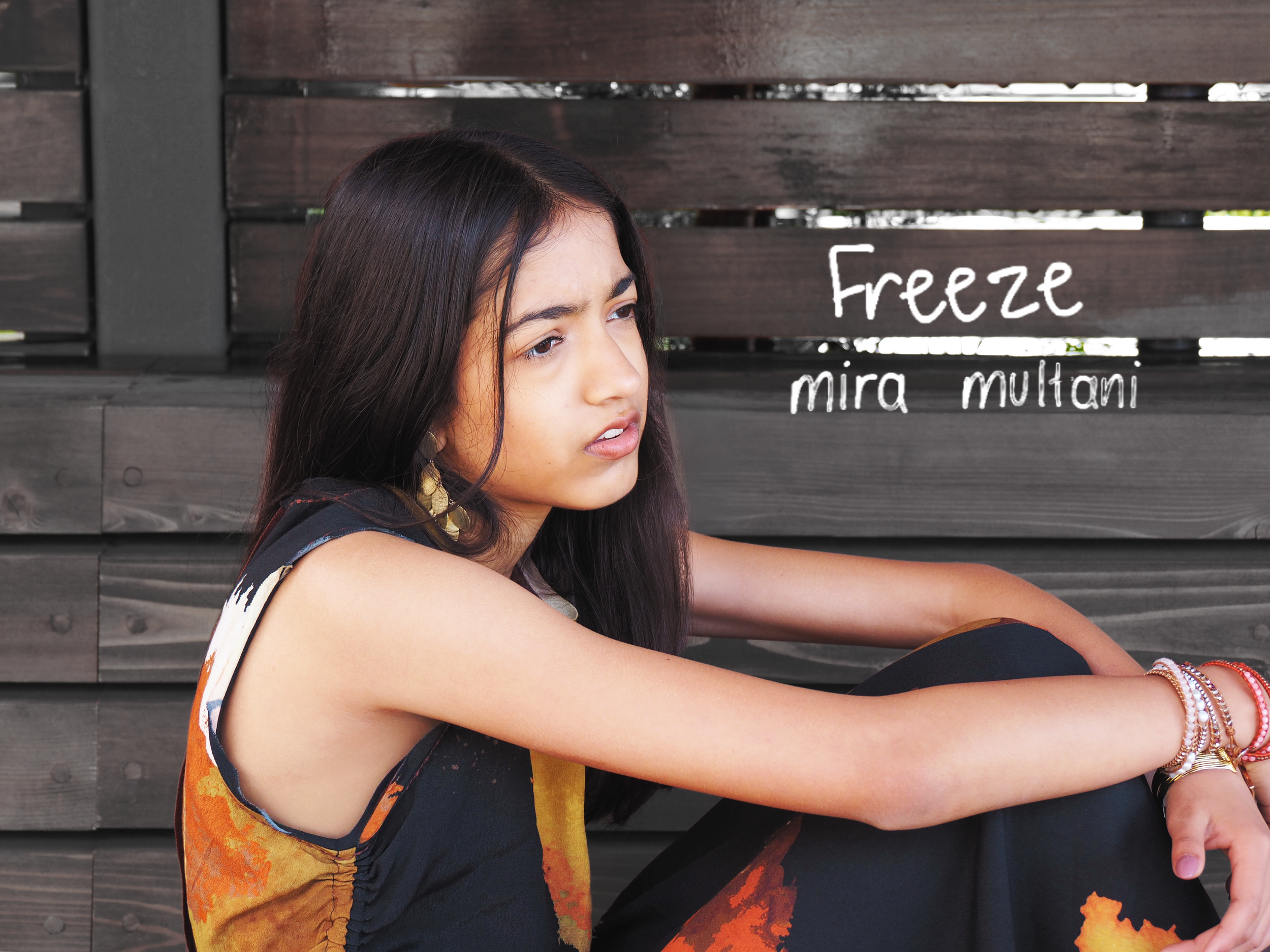
The most aggressive track I ever produced was for the gentlest artist I ever produced.
I love Mira Multari: her spirit, her sensitivity, her brilliance. We were both surprised — and to our credit, open-minded — when her sad, sweet song demanded to be pulled all the way to its punch-in-the-face essence.
It's fantastic. A dance company has already performed to it. Seriously, you guys, you won’t regret listening to this one.
Usual suspects doing more aggressive things: Jason Slota (drums), Daniel Fabricant (bass), Max Cowan (keys), James DePrato (guitar).
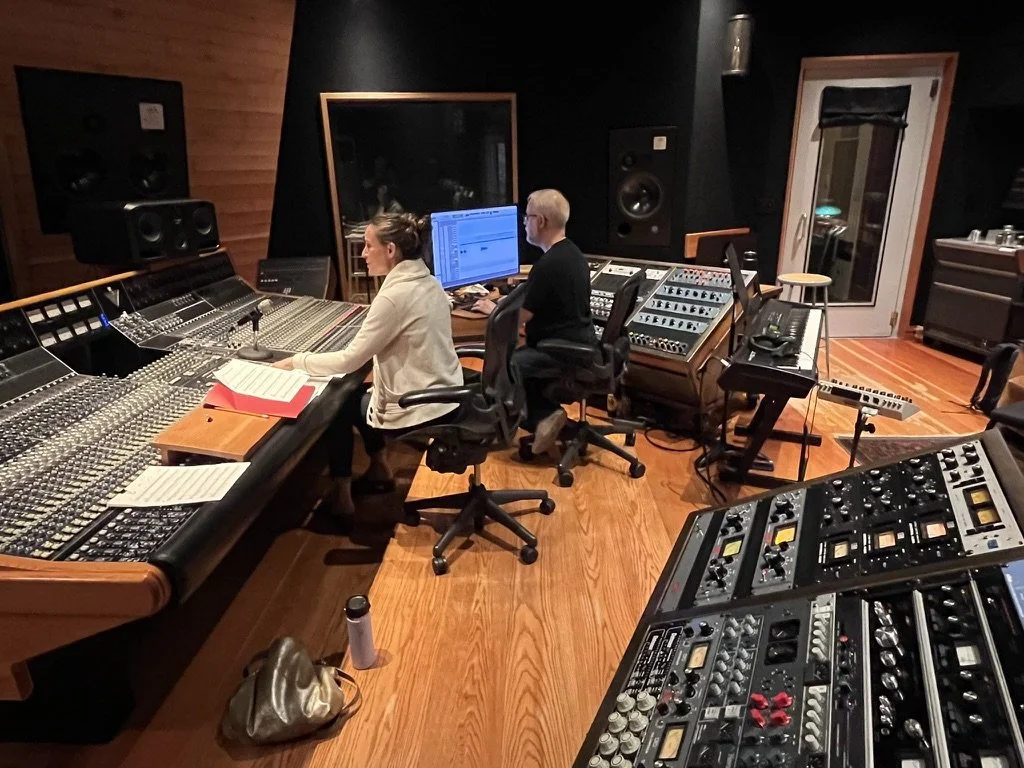
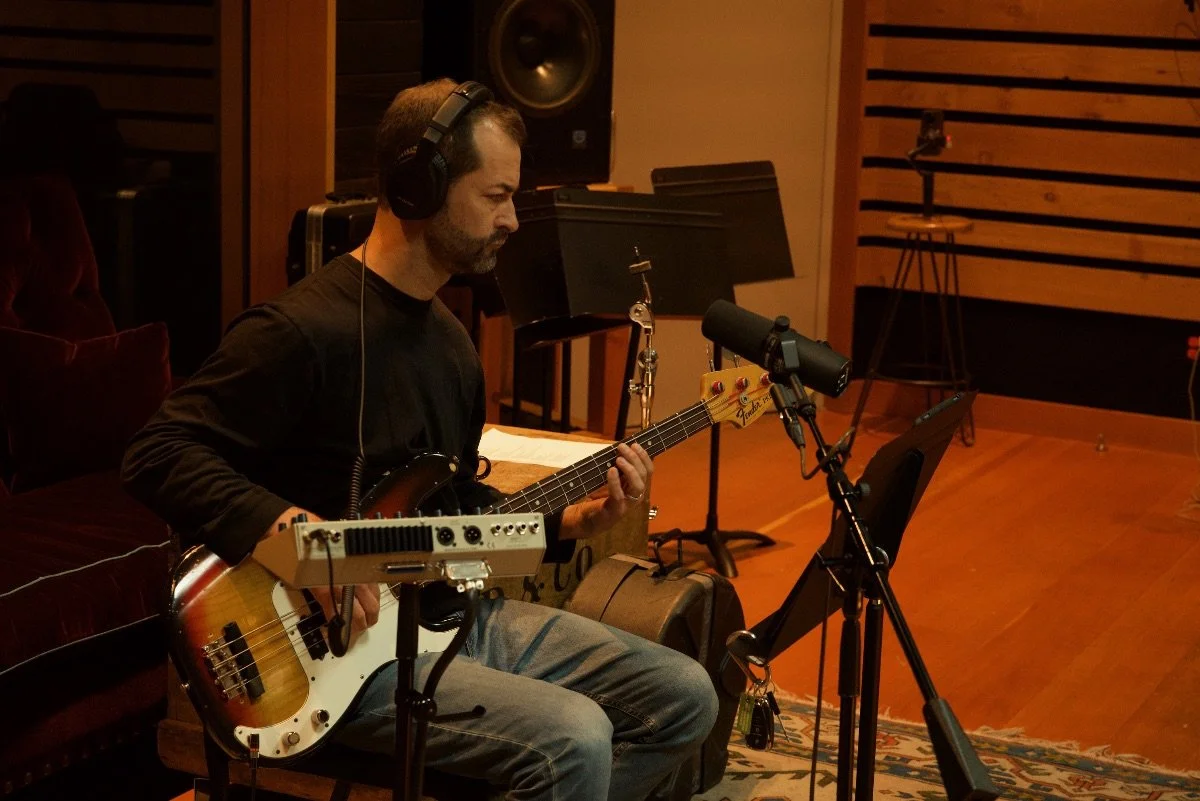
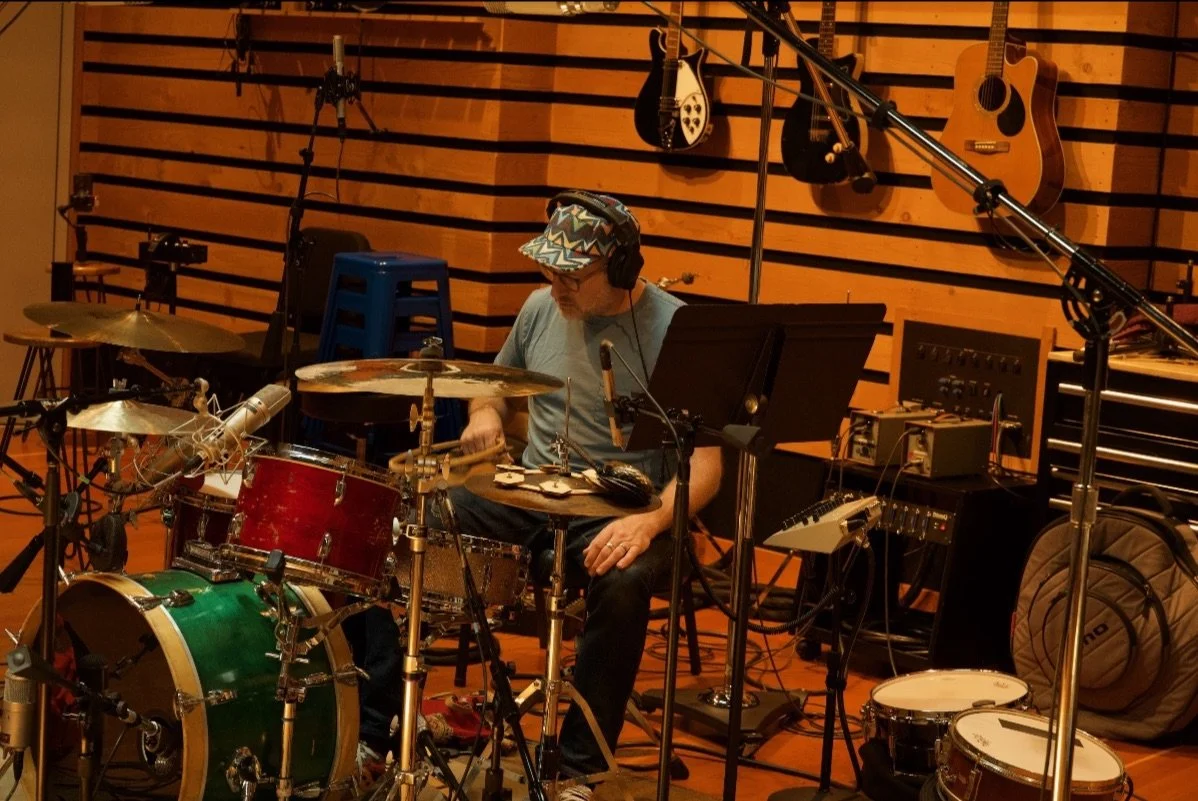
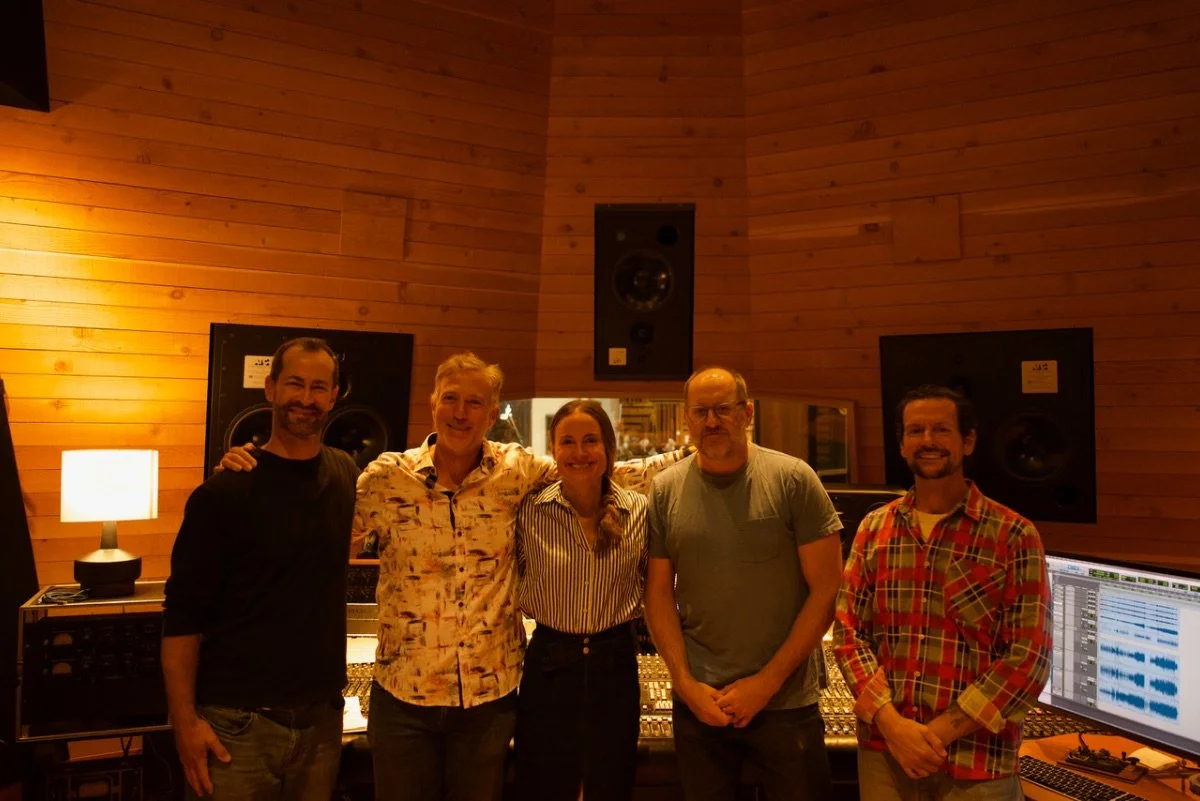
Here I am with my brothers turning voice memo demos into sick jams. And speaking of risk, I took a few, which I itemized in last month’s newsletter, and I’m that special post-session mix of elated and relieved to tell you they went great. Even: I anticipate my three biggest risks (ahem, Imagine Dragons, ahem, fast bluegrass, ahem tribal drums) will be the album’s hits.
Are you interested in creative health?
Next month I begin the pilot of my Muzi Practitioner Training Program. It involves four two hour sessions, private consultation with me, and access to the complete Muzi library. I’m especially interested in working with coaches, therapists, teachers — people who are actively serving other people. That said, I am open to discussing options with anyone who is interested. The Program will ultimately cost $1200 but for these hand-selected founding Muzi practitioners we’re charging just $200 — and ask only that you share feedback with us about how the methodology serves your work for the next year.
Any interest at all, reach out!
For the Muzi-curious, your Courage Mission if you choose to accept it:
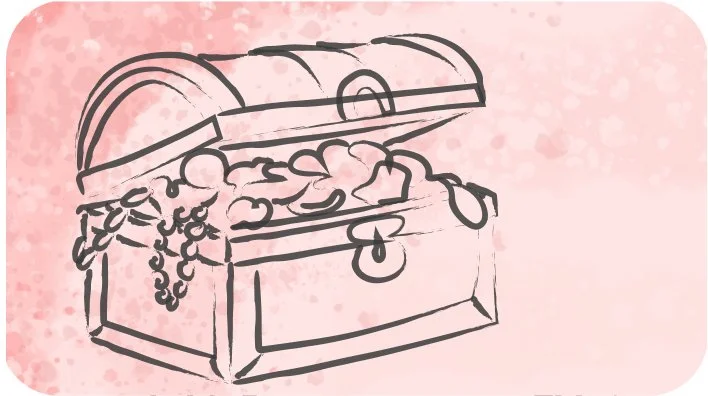
Gold
Courage asks us to address painful experiences from our past: To acknowledge creative losses. To integrate creative disappointments. To dismantle harmful mythologies.
All of this is important. Every time we resolve hardship, we are freer.
But our pasts are more than a repository of pain. They also hold our joyful memories.
Think of a time you felt competent. A time you felt excited. A time you felt celebrated. A time you felt peaceful.
Think of a time you experienced yourself as vibrantly creative.
Our joyful memories are lived proof of our strength. Our value. Our belonging.
And when we remember them, our joyful memories are the stuff of courage.
Psychologists tell us that we have a negativity bias: Difficult thoughts, emotions, and events have a greater effect on our psychological states than neutral or positive ones. This means that, to protect us, our brains scan for the problems in every situation. They send us warning signals about potential threats. They imagine the worst possible outcomes.
They keep us swimming in our worst memories.
How lovely to have such a concerned friend!
And what a shame to be kept from the reservoir of courage that is our joyful memories.
But we can combat negativity by vigorously inhabit our joyful memories.
In GOLD you will recall and inhabit a moment of your life where you felt shiningly creative.
Scan your past. Your memory could be a big event: the completion of a project, a showcase, an award. But it could also be subtle: the train ride where you suddenly understood the premise of your new song, the smile of a collaborator when you offered a great idea.
Be sure to walk yourself through your memory as if it's happening right now. “I’m looking out upon listening audience.” “I’m on the phone talking to my favorite creative ally.” Also be sure to speak your memory out loud. Let your voice tell you both what’s happening and what it means to you.
Most of all, let yourself have fun with this — choose your memory like ordering off an emotion menu.
Use this Mission to make the most of your past.
Pull every last bit of its fortitude, optimism, and radiance into your present.
To do this and more Missions download Muzi for free in the Apple App Store
“GLASSES”
JUNE 2026
Lovelies,
Last month I collected every last bit of Muzi content into a single document for copyrighting.
(Sixteen months after going live is a good time to copyright something, right?)
I expected tedium — but also a welcome break from my thought-heavy work of March and April.
But downloading, organizing, I couldn't help but read.
And reading, I couldn't help but notice: Everything was wrong.
Exercises lost their center. Paragraphs sat stale. Introductions created false expectations.
This will never not fascinate me: You set out to make something great. You labor until it's perfect. A year later you see a hundred errors.
Like time is glasses.
So I promptly rewrote the methodology. Or I should say, I essentialized it. The foundation is still there. My conviction that creativity is our natural state. My belief that creativity thrives when we resource ourselves for it — with inspiration, courage, discipline, rest, and connection. But every Mission got a soul search. Every Reflection got a haircut.
My favorite project was "First Aid": tools for key moments of the creative process. I revised Start a New Project and Heal a Disappointment. Then I tried something new, Integrate Feedback. I went on an evening walk and thought about the 11pm text messages from artists devastated by a friend's response to a poem. I ate my lunch and remembered the eight rules I instituted to keep people safe during song workshopping.
I lay in bed and recalled reviews of my albums, advice from producers, vetoes from co-writers, compliments from listeners.
I decided, as I have decided many times before, that feedback is a crisis.
It's a disorientation. It's a dislocation.
Even if it's positive.
(Sometimes especially if it's positive.)
Feedback splits our creative trajectory. It can knock us all the way over or it can send us with momentum toward our sparkling creative futures. What makes the difference is us: our ability to sort, process, and land, ultimately, on our own feedback for ourselves.
With love,

My production year is shaping up into something beautiful.
First is David Hobbes, for our third outing, and our second full length album. David's writing is forever wonderful yet somehow now better. I'm looking forward to the inevitable complete immersion.
Please recall some of my favs from his first album here, here, and here.
For the Muzi-curious, your Rest Mission if you choose to accept it!

Make Soup
Balance the wildness of creativity.
Remi owns a one-man business making soup in Oakland, CA.
Every Thursday he sets up shop at the Berkeley Farmer’s Market: cloth draped over a folding table, mason jars stacked with bisques, creamy split peas, chunky leafy green stews.
At any given moment there are six people gathered at his stand. A few to buy soup. But the majority just to be near him. His presence of calm and openness is utterly magnetic.
This is a man who was born to make soup.
So you’d be surprised to discover Remi’s passion is not soup making at all. Remi’s passion is music.
“I make soup for the music,” he tells me in a rare quiet moment. “Music isn’t grounding. Music is… woo-weeee!!” He whistles and gestures towards the clouds. “But I get a couple root vegetables in my hands, I chop chop chop. It brings me down to earth and after a while I can go up there and write songs again.”
Creativity, bless its heart, is not a grounding activity. It is electric. It is ethereal. It’s a sort of wild, unbridled, expansive energy that unfolds only into more of itself. It’s never going to suggest we dial it back. It's never going to suggest a slow, deep breath.
Creativity will smile coyly and lure us ever further into its dreamy chaos.
It is more than tempting to ride higher and higher. It can be actually addictive. You see evidence of this in how happy yet depleted many artists find themselves to be.
So it’s on us: Every time we create, we must know the power of the forces we deal. We must acknowledge the other-worldly creatures we are when we pick up our paintbrushes and autoharps.
And then we must make a point to keep a foot in the physical world.
We do this for our very survival. However creative we are, we must balance it with the embodied. The nurtured. The reposed. We must give strong and consistent shout-outs to this adorable earthly form of our bodies.
We must MAKE SOUP.
Or yes, you can make an omelette. Or a cake. But seriously, make soup. Choose some vegetables, the rootier the better. Hold them in your hands. Smell them. Chop them. Lose yourself in the rhythms. The textures. The smells. The utter sensuality.
Don’t distract yourself with anything as you cook. Just this once, turn off the podcast, put down the phone. Just be with the all-five-senses smash of a show taking place right before you.
Use this Mission to bring yourself back to earth.
And then enjoy your bowl of soup as a thanksgiving for your body — that beautiful vessel for the creativity that will course through you again soon.
To do this and more Missions download Muzi for free in the Apple App Store
MUZINGS archive